
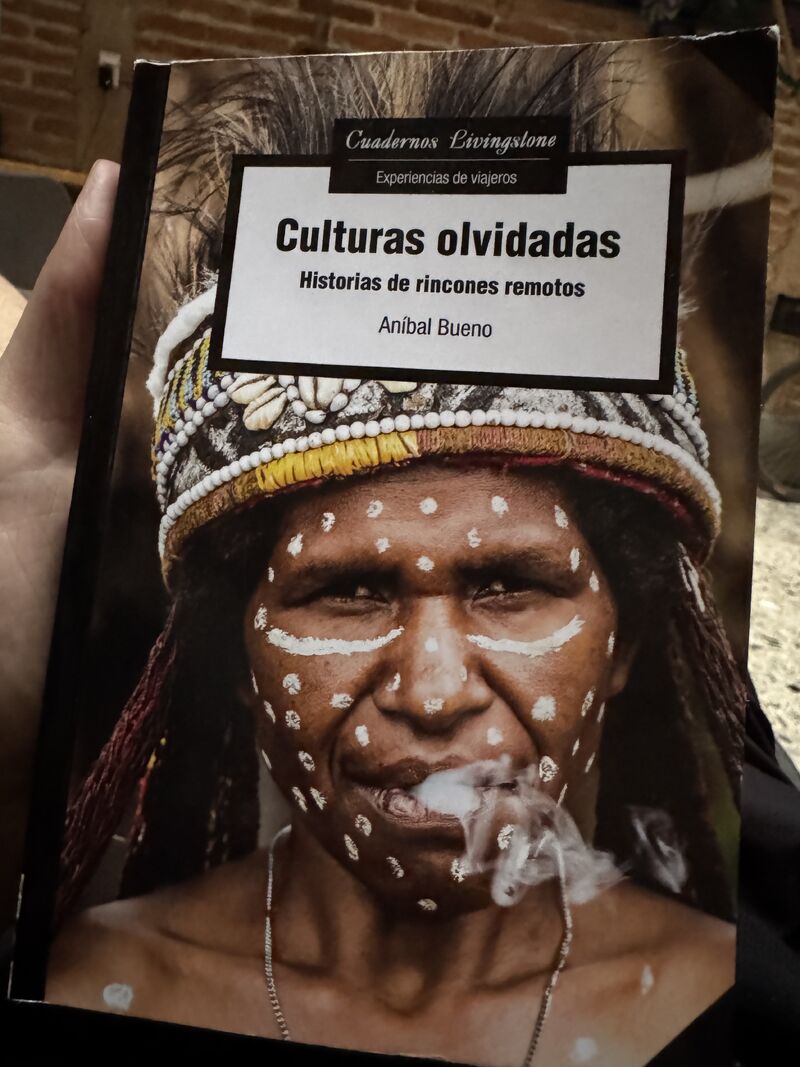
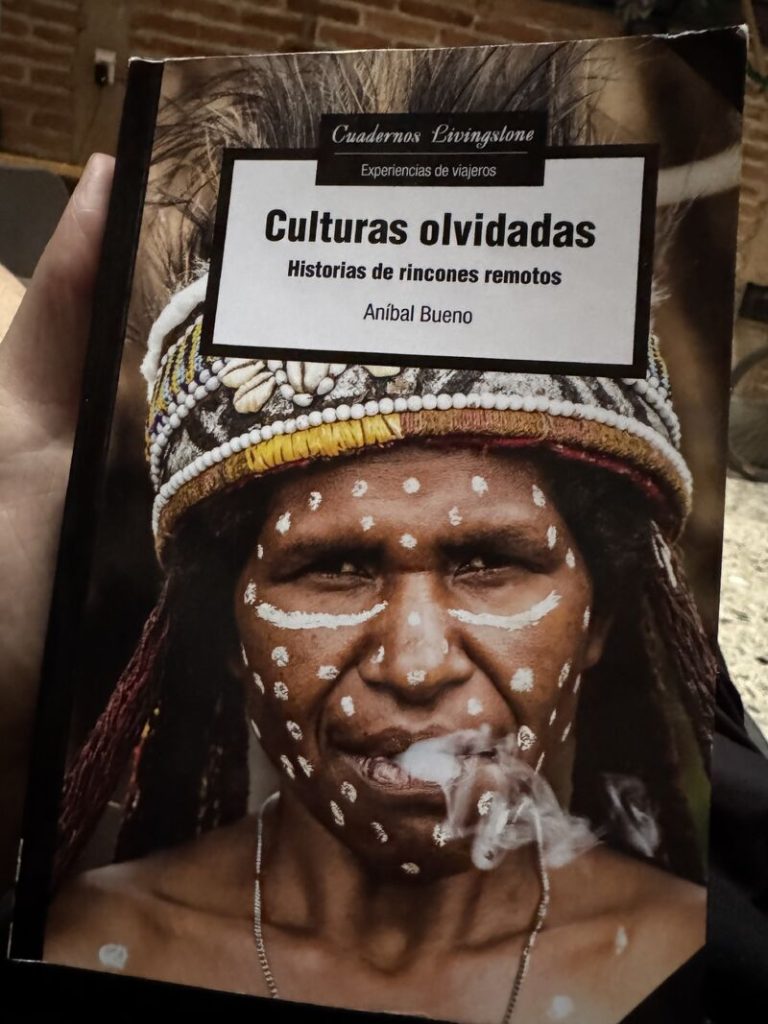
This summer, while traveling through Mexico, I read Culturas olvidadas: Historias de rincones remotos (Forgotten Cultures: Stories from Remote Corners) by Aníbal Bueno.
One chapter, about the Korowai—“the men who live in the trees”—had a big impact on me. They live in remote areas of the Western Papuan rainforest, with very little contact with the outside world.
Aníbal writes:
“On the way back to camp, I kept thinking about all this, aware of the privilege of getting to know such a pure culture, with so little external contact or Western acculturation, and which, at the same time, has so little life left.”
The challenge is not only environmental. It’s also cultural and educational.
The Indonesian government now requires Korowai children to attend school. But there are no nearby schools.
Children are taken from their families and moved far away, after two days walking through the jungle and one full day by boat.
“This situation leaves the Korowai villages without children.”
“And very likely, they end up abandoning the forest to live in the city, just as has happened in other cases of acculturation and national homogenization imposed by governments in other countries.”
This led me to reflect on an important debate:
What happens when the right to education conflicts with the right to preserve a culture?
In the IB, and especially in the PYP, we aim to nurture students who are open-minded, knowledgeable, reflective, caring, and principled. We want them to take action and engage meaningfully with the world around them.
But stories like this raise deep questions:
▪️ What does it really mean to be open-minded in an international context?
▪️ How can we protect local cultures through a global or international model of education?
▪️ Is standardized, global education a form of cultural indoctrination—creating one shared identity at the cost of local traditions?
▪️ Do all cultures need or want formal schooling as we understand it?
▪️ In the case of these Kurowai children, what kind of future is the Indonesian government shaping for them?
▪️ Will what they learn at school help them serve their communities—or push them away from their roots?
In international education, we often talk about diversity and inclusion.
But sometimes, without realizing it, we promote just one way of learning. One way of living. One idea of success.
This chapter by Aníbal Bueno is not just a story from a faraway place. It is a reminder to examine the systems we support, and the impact they may have on communities we do not fully understand.
As IB educators, we must ask:
How can we help students respect other cultures if we don’t start by questioning our own assumptions?